How AI Workflow Automation Is Changing the Way GCC Businesses Operate
June 2026·4 min read·By Adam Sahli
Qatar's businesses are no longer treating AI as an experiment confined to the IT department. Recent regional research shows Qatar's AI maturity climbing within the GCC, with a meaningful share of organisations now classified as AI Leaders rather than early-stage adopters. Across the wider Gulf, the large majority of organisations are already investing in AI in some form. The conversation has shifted from “should we look at AI” to “which workflows should we automate first.”
For mid-sized and growing businesses, that second question is the more useful one. AI workflow automation — using AI to handle repetitive, rules-based, or data-heavy tasks that currently eat up staff time — tends to deliver faster, more measurable returns than broader, more ambitious AI initiatives.
What AI Workflow Automation Actually Means in Practice
Strip away the buzzwords and AI workflow automation usually comes down to a few concrete patterns: routing and triaging incoming customer requests automatically, extracting and validating data from documents and invoices, generating first-draft responses or reports that a human then reviews and approves, and flagging anomalies in operational data that would otherwise require someone to spot them manually.
None of this requires building a custom AI model from scratch. Most of it comes down to connecting existing large language model capabilities to a business's existing systems — its CRM, its document management, its ERP — through carefully designed automation workflows, and increasingly, AI agents that can carry out multi-step tasks instead of just answering a single question.
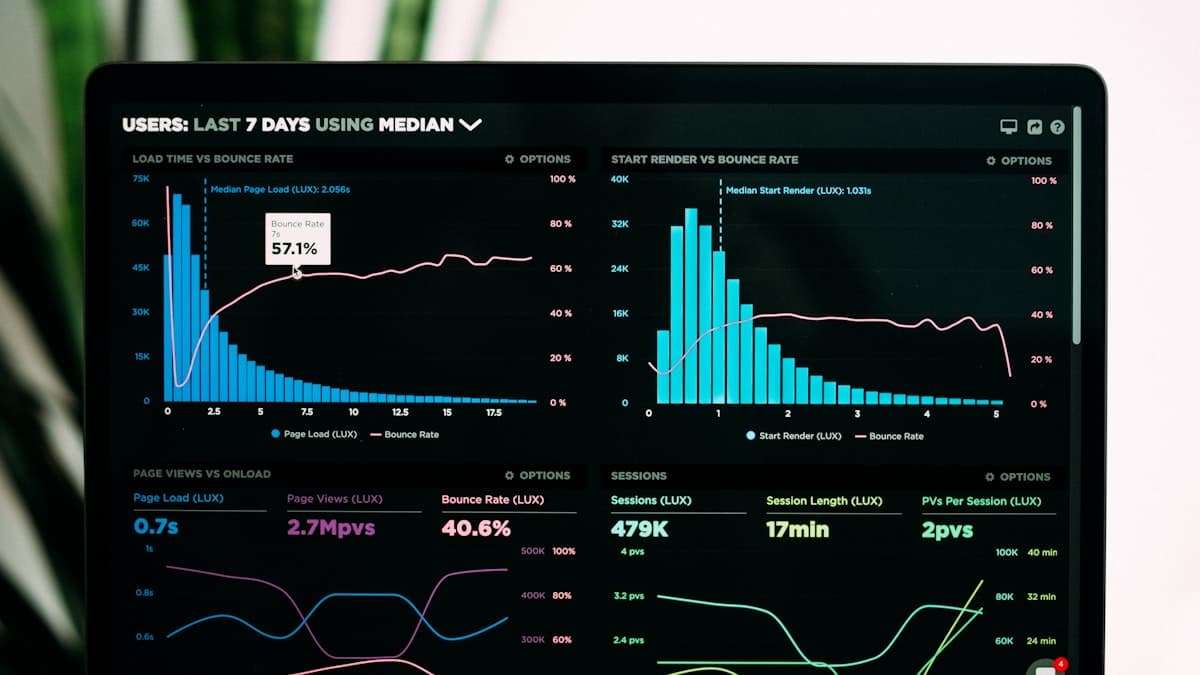
An automated workflow pipeline — routing, extraction, and review steps handled without manual intervention.
Why Momentum Is Building Faster in Qatar Specifically
Qatar's national digital investment is projected to grow substantially through 2026, reflecting a multi-year push to build the infrastructure and talent base AI adoption depends on. That national-level investment tends to filter down in practical ways: better cloud infrastructure availability, more local expertise, and a growing willingness among decision-makers to back AI projects with real budget instead of pilot-stage curiosity.
Part of this push specifically targets small and medium businesses, through programmes designed to give SMEs access to shared data infrastructure and AI tools that would otherwise be out of reach for a smaller IT budget. That is relevant for any GCC business wondering whether AI automation is only a large-enterprise option. Increasingly, it is not.
Where to Start: Picking the Right First Workflow
The businesses that get the most value from AI automation tend to start narrow. A good first workflow has three characteristics: it is repetitive enough that staff time spent on it is easy to quantify, it is well-defined enough that “correct” output is easy to check, and it currently creates a bottleneck — a queue of work that builds up faster than people can clear it.
Customer support triage, invoice and document processing, and lead qualification are common starting points precisely because they meet all three criteria. Trying to automate judgment-heavy, ambiguous decisions first is usually where AI automation projects struggle — not because the technology cannot do it, but because measuring success gets much harder.
Mapping the workflow before automating — specificity at this stage determines how measurable the outcome will be.
Measuring Whether It Is Actually Working
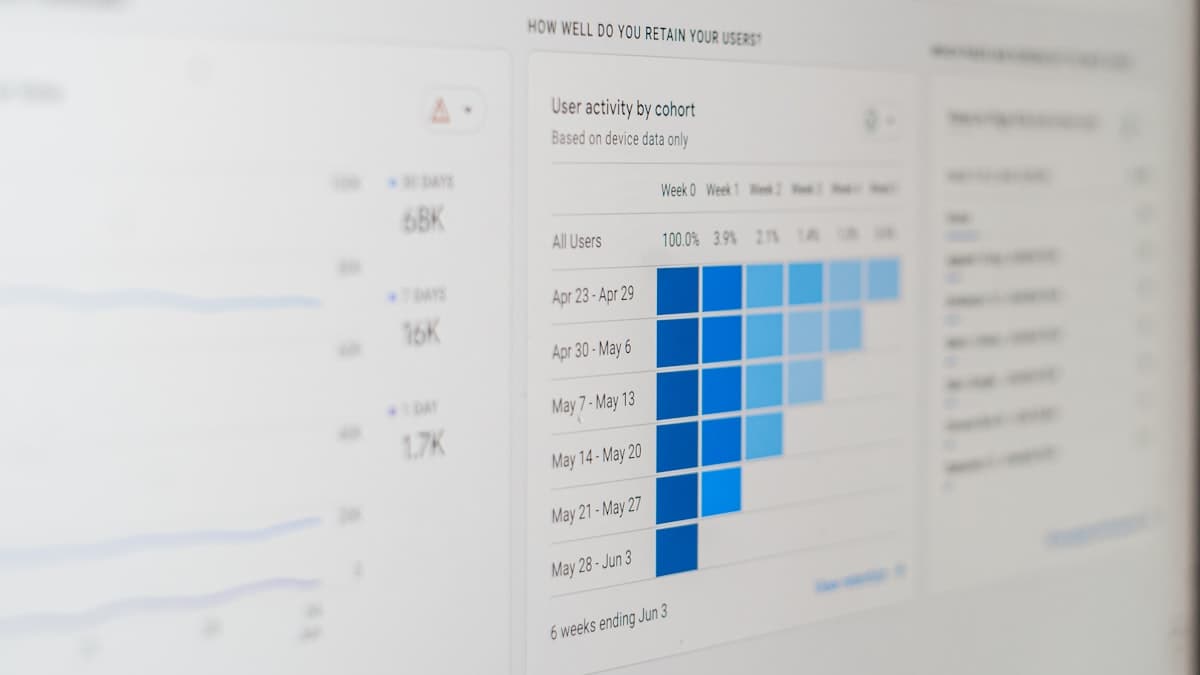
A common mistake with early AI automation projects is rolling them out without a clear before-and-after measurement in place. Before automating a workflow, it is worth establishing a baseline: how long does the task currently take per instance, how often does it produce errors that need correcting, and what does that cost in staff hours over a month. Without that baseline, demonstrating the value of the automation to leadership later gets difficult, even if it is genuinely working well.
Once a workflow is automated, the same metrics — time per instance, error rate, volume handled — should keep being tracked. This also surfaces early if an automated process starts drifting in quality, which can happen as the underlying data or business rules change over time.
Without a pre-automation baseline, demonstrating ROI later gets harder — even when the automation is genuinely working.
“AI workflow automation is not about replacing teams. It is about removing the repetitive work that keeps them from focusing on what actually needs human judgment.”
/ engagement model · compass-its
What to Ask an AI Automation Partner
Before committing budget, it is worth pressing on a few specifics. How is the system's output checked or reviewed before it reaches a customer or feeds into another process? What happens to the business's data — is it used to train external models, or kept inside a controlled environment? And can the workflow be adjusted as the business's processes change, without a full rebuild each time?
A partner who can speak concretely about data governance and review steps — not just about what the AI can technically do — is generally the safer choice, particularly for businesses in regulated sectors like finance or healthcare.
With AI adoption accelerating across Qatar and the GCC, the businesses moving first on well-scoped automation projects are building an operational efficiency advantage that gets harder to close over time.
Common questions
What is AI workflow automation?
AI workflow automation uses AI to handle repetitive, rules-based, or data-heavy tasks — routing customer requests, extracting data from documents, generating draft responses, and flagging anomalies — without building a custom AI model from scratch.
Which workflows should GCC businesses automate first?
Good first workflows are repetitive enough to quantify the time cost, well-defined enough that correct output is easy to check, and currently creating a bottleneck. Customer support triage, invoice processing, and lead qualification are common strong starting points.
How do you measure whether AI automation is working?
Establish a baseline before automating: time per task instance, error rate, and volume handled per month. Track the same metrics after automation. This surfaces ROI clearly and also catches early if an automated process starts drifting in quality.